
Open cast mining (also called open-pit or open-cut mining) is the most common surface mining method used to extract minerals like coal, copper, iron ore, gold, and limestone when the deposit is close to the surface.

What is Open Cast Mining?
In open cast mining, the overburden (soil + rock above the mineral) is removed to expose the ore/coal seam. All operations happen on the surface — no tunnels or shafts are needed.
It is widely used in:
- India (most coal mines – Singrauli, Korba, Wardha Valley, Talcher)
- USA (Bingham Canyon copper mine)
- Chile (Chuquicamata copper mine)
- Australia, Indonesia, South Africa
Why Open Cast Mining is Important
- Cheaper and faster than underground mining for shallow deposits
- Higher production rates (millions of tonnes per year possible)
- Better safety record (fewer confined-space risks)
- High mechanization → trucks, shovels, draglines, drills
- Supplies most of India’s coal for thermal power plants
Main Steps in Open Cast Mining
- Exploration → drilling + sampling + 3D modeling
- Pit design → decide final pit shape and depth
- Topsoil removal → save for later reclamation
- Overburden stripping → remove waste rock
- Drilling & blasting → fragment rock
- Loading → shovels/loaders fill trucks
- Hauling → transport ore to crusher/plant
- Processing → crushing, washing, beneficiation
- Reclamation → backfill + plant trees

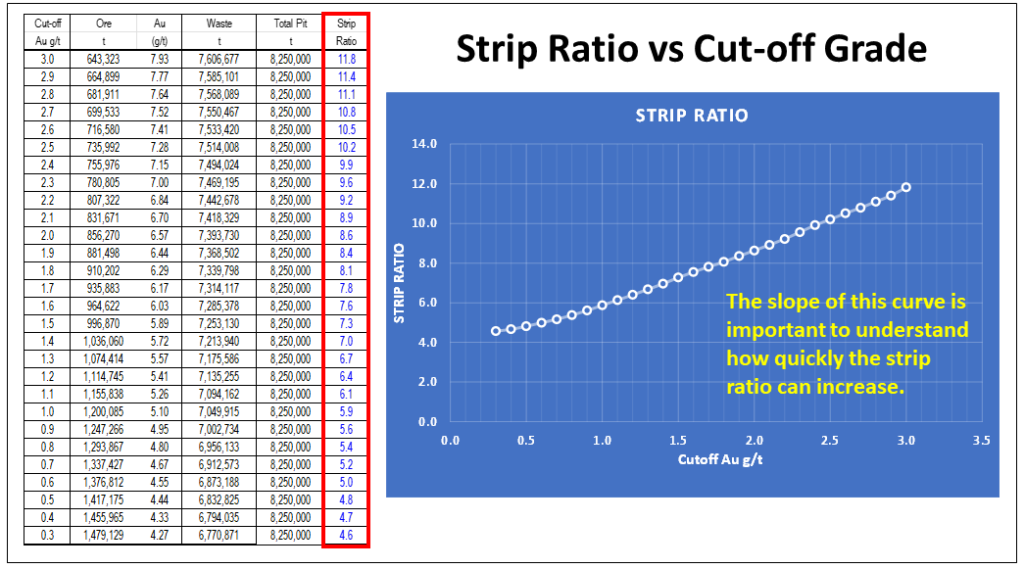
Stripping Ratio – Most Important Calculation
Stripping Ratio (SR) = Waste removed (tonnes) ÷ Ore/Coal produced (tonnes)
Quick Example (Indian Coal Mine)
- Overburden thickness = 120 m
- Coal thickness = 40 m
- Area = 10,000 m²
- Overburden density ≈ 2.4 t/m³ → 2,880,000 tonnes waste
- Coal density ≈ 1.4 t/m³ → 560,000 tonnes coal
- Stripping Ratio = 5.14 : 1
If coal sells for ₹4,000/tonne and costs allow, this is usually economical in India.
Real Mine Examples
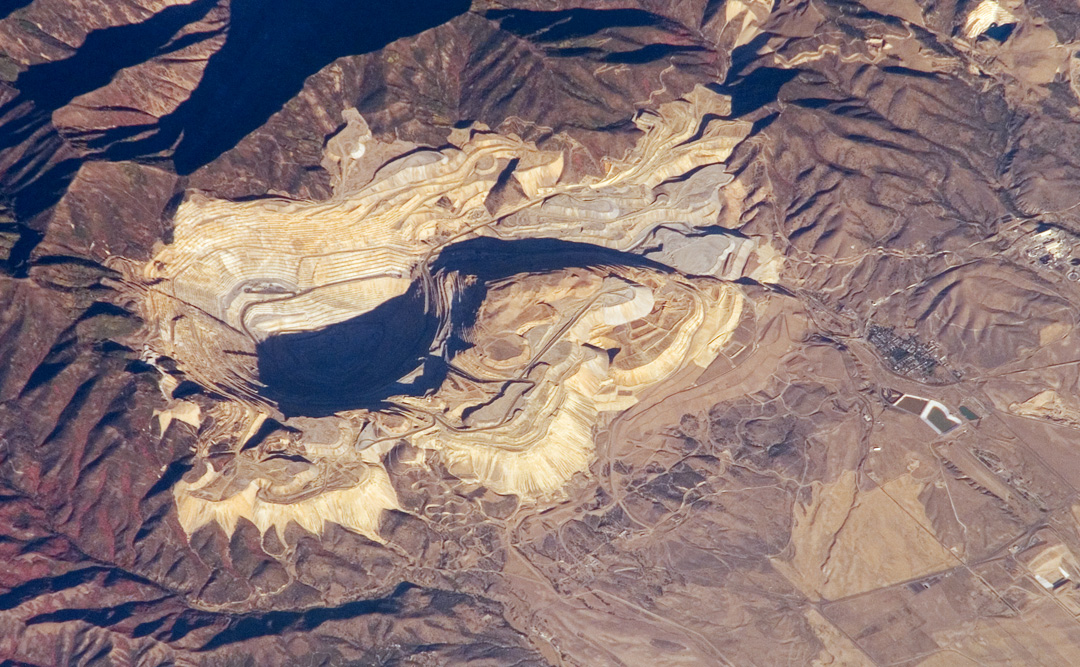
1. Bingham Canyon Mine – Utah, USA
World’s deepest open pit (~1,215 m deep). Produces copper + gold + molybdenum. Famous for huge 320-ton trucks and the 2013 landslide (predicted & no deaths due to monitoring).
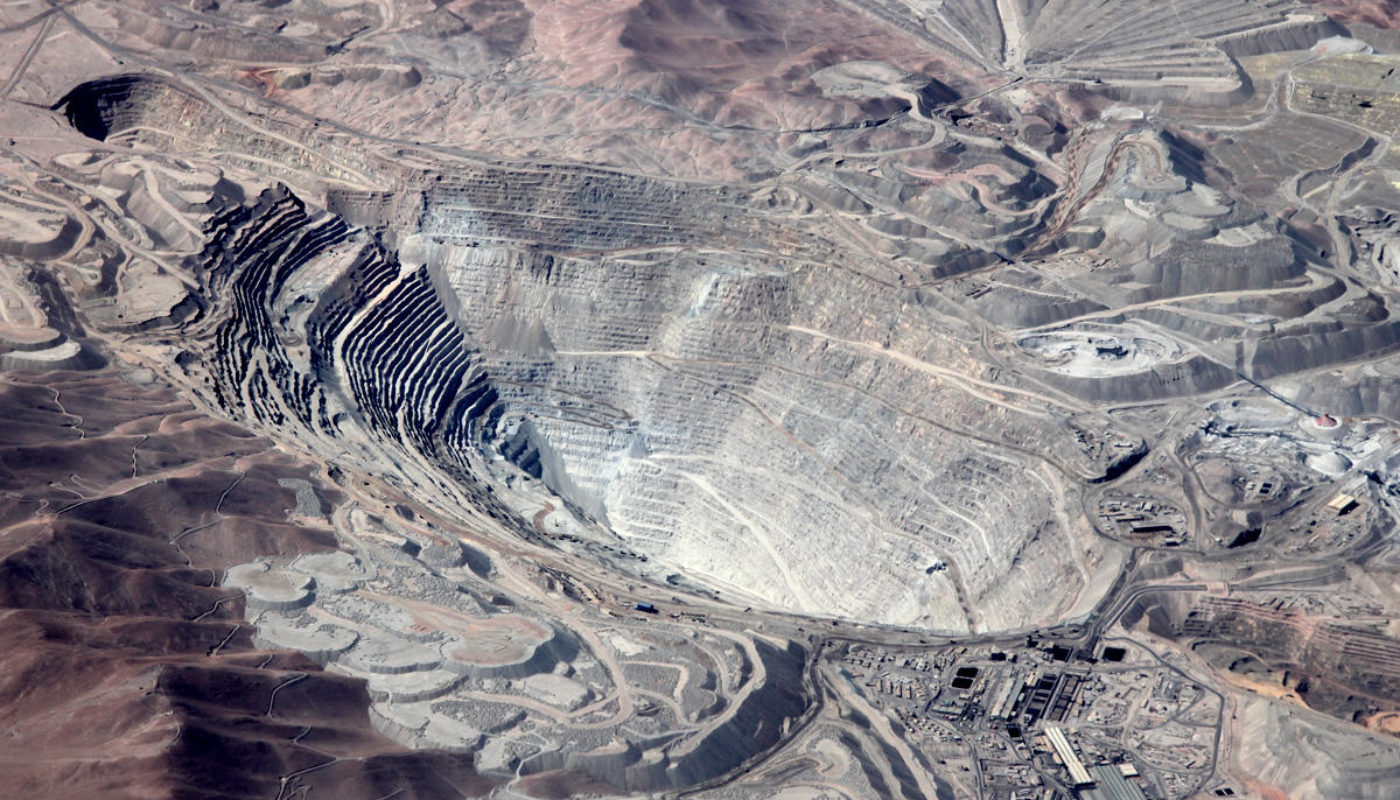
2. Chuquicamata Mine – Chile
One of largest copper open pits ever. Very deep, dry desert location, uses in-pit crushing + conveyors to save diesel.
Common Mistakes to Avoid
- Wrong geological model → surprises with high stripping ratio
- Bad blasting → too much flyrock or poor fragmentation
- No slope monitoring → bench failures / landslides
- Poor monsoon drainage → pit floods in rainy season
- Delaying reclamation → big environmental fines
Safety & Performance Tips
- Use slope radar + drone surveys
- Electronic detonators for better blast control
- Water spraying for dust (very important in India)
- Collision avoidance systems on trucks
- Progressive backfilling → smaller final dumps
- Monsoon planning: big pumps + diversion drains
Frequently Asked Questions
What is the difference between open cast and open pit?
Same thing. “Open pit” used more for metals, “open cast” traditional for coal (especially India).
Is open cast mining safe?
Generally safer than underground — no methane, roof falls, or gas issues.
What is a good stripping ratio in India?
Usually 1:1 to 6:1 for coal. Some mines go 8–12:1 when coal price is high.
Can open cast mining be eco-friendly?
Yes — if topsoil saved, progressive reclamation done, dust & water controlled properly.
Conclusion
Open cast mining is the heart of India’s coal and many global metal productions. With good planning, modern equipment, slope monitoring, and proper reclamation — it can be efficient, relatively safe, and more sustainable. Understanding stripping ratio, blasting, and drainage is key for every mining engineer and student.
Happy learning & safe mining!


0 Comments