Posts

Showing posts with the label geomachanics

Subsidence

Image
Subsidence:  Geomechanics is a branch of geophysics and geotechnical engineering that focuses on the study of the mechanical behavior of rocks and soils. It combines principles from geology, physics, and engineering to understand how geological materials respond to external forces such as stress, temperature, and fluid pressure. Subsidence, in the context of geomechanics, refers to the gradual sinking or settling of the Earth's surface. It is often associated with the extraction of underground resources, such as oil, gas, or minerals, as well as with certain geological processes and human activities. There are several causes of subsidence: 1. Natural Subsidence: Natural processes, such as the compaction of sedimentary layers, dissolution of underground minerals (e.g., limestone), and erosion, can lead to subsidence over long periods of time. 2. Mining Subsidence: The extraction of underground resources, such as coal or minerals, can create voids in the subsurface. Over ...

Stress distribution around mines Openings

Image
Stress distribution around mines Openings:  The distribution of stress around mine openings depends on several factors, including the geological conditions, the type of mine opening, and the mining method used. Here are some general concepts related to stress distribution around mine openings: 1. Stress Concentration: Mine openings, such as tunnels, shafts, or adits, create disruptions in the surrounding rock mass. These disruptions can lead to stress concentration at the edges of the openings. The stress concentration is typically highest near the corners and decreases with distance from the opening. 2. Stress Redistribution: When a mine opening is excavated, the stress in the surrounding rock mass redistributes to achieve a new equilibrium. Initially, the stress redistribution occurs rapidly, resulting in high stresses around the opening. Over time, the stresses gradually adjust and reach a more stable state. 3. Stress Gradients: The stress distribution around mine op...

Ground vibrations

Image
Ground vibrations: Ground vibrations in mining refer to the seismic waves or vibrations that occur due to mining activities. These vibrations can be generated by various mining operations such as blasting, drilling, excavation, and the operation of heavy machinery.  Here are some key points about ground vibrations in mining: 1. Causes of Ground Vibrations: Blasting is one of the primary causes of ground vibrations in mining. When explosives are used to break up rocks, the resulting shock waves travel through the ground, causing vibrations. Other activities like drilling, excavation, and the movement of heavy machinery can also generate ground vibrations, although they are typically of lower magnitude compared to blasting. 2. Magnitude and Frequency: The magnitude of ground vibrations depends on several factors, including the type and amount of explosive used, distance from the blast site, geological conditions, and the size of the mining operation. Ground vibrations are...

rock failure theories

Image
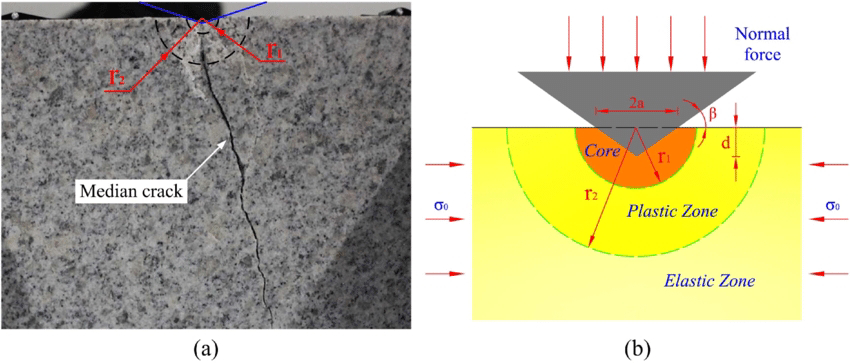
Rock failure theories:  Rock failure can occur due to various factors and can be explained by several theories. Here are some of the commonly accepted theories of rock failure: 1. Mohr-Coulomb Theory: This theory is widely used to understand the failure of rocks under different stress conditions. It is based on the concept of shear strength and assumes that failure occurs when the shear stress exceeds the shear strength of the rock material. The Mohr-Coulomb theory considers the cohesive strength and frictional strength of rocks in determining failure. 2. Griffith Theory: This theory, also known as the linear elastic fracture mechanics theory, focuses on the failure of rocks due to the presence of pre-existing cracks or flaws. It suggests that failure occurs when the stress intensity factor at the tip of a crack exceeds a critical value. The theory considers the elastic properties of the rock material and the size and shape of the crack. 3. Hoek-Brown Failure Criterion: Developed b...

Stress measurement techniques

Image
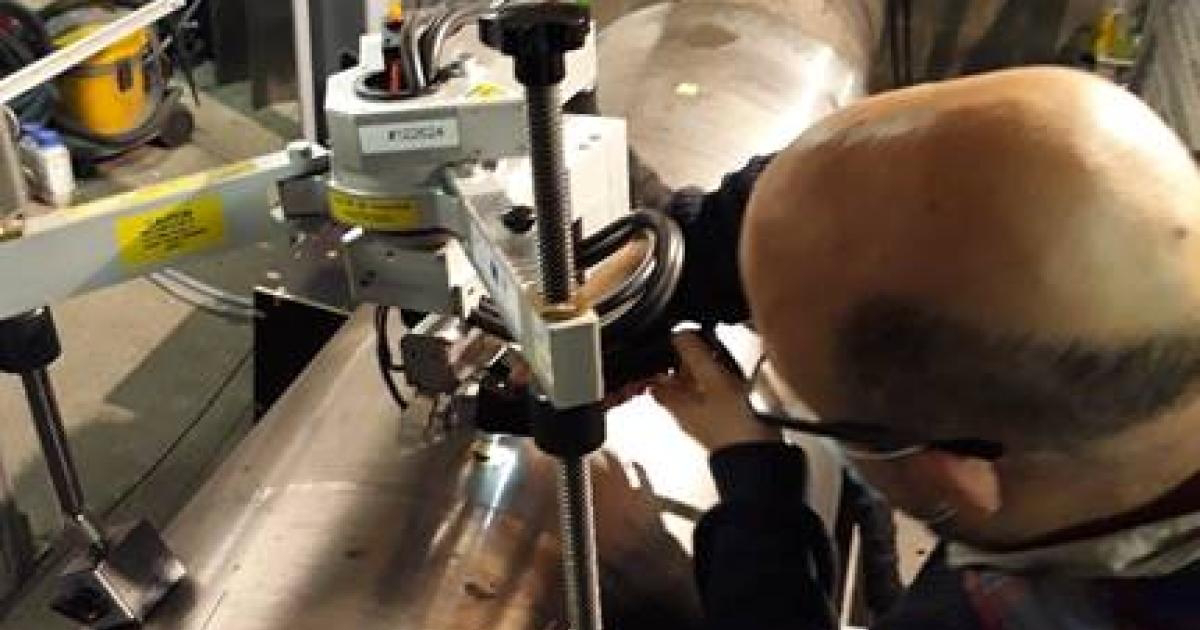
Stress measurement techniques:  Instrumentation and in-situ stress measurement techniques are used in various fields, including geotechnical engineering, rock mechanics, and petroleum engineering, to understand the stress conditions in the subsurface. These measurements are essential for designing and analyzing the stability of structures, such as tunnels, dams, and oil wells. Here are some commonly used techniques: 1. Conventional Borehole Overcoring: In this method, a cylindrical core sample is extracted from the subsurface using a drilling rig. The core is then analyzed in a laboratory to determine the stress state by measuring the deformation characteristics of the core. The measurement is based on the assumption that the core retains the in-situ stress state at the time of extraction. 2. Hydraulic Fracturing: This technique involves the creation of controlled fractures in the rock formation using pressurized fluid injection. By monitoring the pressure required to i...

Rock mass classification

Image
Rock mass classification: Rock mass classification is a systematic approach used to evaluate the engineering behavior and stability of rock masses. It involves the categorization of rocks based on various parameters such as rock strength, joint orientation, joint spacing, rock quality, and other geotechnical properties. The classification systems help engineers and geologists in understanding the characteristics of rock masses and selecting appropriate design and support measures for engineering projects such as tunnels, slopes, and foundations. There are several rock mass classification systems commonly used in practice. Here are a few examples: 1. Rock Mass Rating (RMR):-  Developed by Bieniawski, RMR is one of the most widely used classification systems. It considers six parameters: uniaxial compressive strength of intact rock, rock quality designation (RQD), joint spacing, joint condition, groundwater conditions, and orientation of discontinuities. The RMR values ra...

Geotechnical properties of rocks

Image
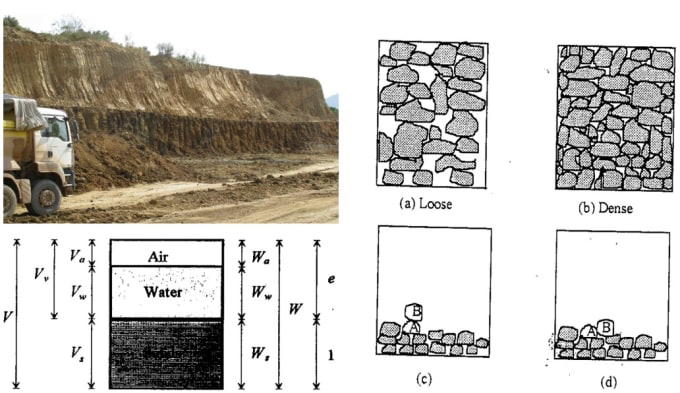
Geotechnical properties of rocks: Geotechnical properties of rocks refer to the physical and mechanical characteristics of rocks that are relevant to engineering and construction applications. These properties are essential for assessing the stability and behavior of rock masses when subjected to various forces and loads. Some important geotechnical properties of rocks include: 1. Strength: The strength of a rock refers to its ability to withstand applied forces without deformation or failure. It is typically characterized by parameters such as compressive strength, tensile strength, and shear strength. 2. Density: Density is a measure of the mass per unit volume of a rock. It influences the stability of rock slopes and the design of foundations. 3. Porosity: Porosity describes the void spaces or openings within a rock. It affects the rock's permeability, which is crucial for the flow of fluids (such as water or oil) through the rock mass. 4. Permeability: Permeability ...