
Underground Mining Ventilation System Design: Essential Guide for Safety and Efficiency

In the world of underground mining, where depths can plunge thousands of feet below the surface, ensuring a safe and productive environment is paramount. At the heart of this safety net lies the underground mining ventilation system design—a critical engineering feat that supplies fresh air, removes hazardous gases, and controls dust to protect miners and optimize operations. This comprehensive guide delves into the intricacies of designing effective ventilation systems, drawing from global mining practices to provide actionable insights for engineers, mine operators, and safety professionals.

Whether you're managing a coal mine in Australia, a gold operation in South Africa, or a copper extraction site in Chile, proper ventilation design can mean the difference between a thriving mine and a catastrophic incident. Let's explore why this topic is indispensable in the mining industry and how to implement it effectively.
The Importance of Underground Mining Ventilation System Design in the Mining Industry
Underground mining ventilation system design is not just a regulatory requirement; it's a lifeline for the entire mining workforce. In confined spaces where oxygen levels can deplete rapidly and toxic gases like methane, carbon monoxide, and radon accumulate, a well-designed ventilation system ensures breathable air and mitigates explosion risks.
Globally, mining accidents related to poor ventilation have underscored its importance. For instance, the 2010 Copiapó mining accident in Chile highlighted how inadequate airflow contributed to trapped miners' survival challenges, while regulations from bodies like the U.S. Mine Safety and Health Administration (MSHA) and Australia's Work Health and Safety (Mines) Regulations emphasize ventilation as a core safety measure.
From an economic perspective, efficient ventilation reduces downtime caused by health issues or equipment failures due to dust buildup. In high-production mines, such as those in Indonesia's Grasberg complex or Russia's Norilsk Nickel operations, optimized systems enhance productivity by maintaining cooler temperatures and better air quality, allowing for extended shifts and machinery longevity.
- Safety Enhancement: Prevents asphyxiation, explosions, and long-term health issues like silicosis.
- Regulatory Compliance: Meets international standards from organizations like the International Labour Organization (ILO).
- Operational Efficiency: Improves worker performance and reduces energy costs through smart design.
- Environmental Impact: Controls emissions and supports sustainable mining practices in regions like Canada and Scandinavia.
In essence, investing in robust underground mining ventilation system design is investing in the future of mining—safer, smarter, and more sustainable.
Clear Technical Explanation of Underground Mining Ventilation Systems
Designing an underground mining ventilation system involves understanding airflow dynamics, mine layout, and hazard profiles. At its core, the system circulates fresh air from the surface to working areas while exhausting contaminated air.
Key Components of Ventilation Systems

- Intake and Exhaust Airways: Separate pathways for fresh and return air to prevent contamination.
- Auxiliary Ventilation: Booster fans and flexible ducting for dead-end areas like development headings.
- Seals and Stoppings: Barriers to direct airflow and isolate sections.
- Monitoring Systems: Sensors for gas levels, velocity, and pressure, integrated with real-time data analytics.

Formulas, Calculations, and Methods in Ventilation Design
Effective underground mining ventilation system design relies on precise calculations to determine airflow requirements, fan specifications, and duct sizing. Key formulas include those for air quantity, pressure, and power.
Essential Formulas
The fundamental formula for required air quantity (Q) is based on diluting contaminants to safe levels:
Q = (Production Rate × Emission Factor) / Permissible Exposure Limit
For methane dilution in coal mines, it's often Q = 100 × methane emission rate (in m³/s).
Atkinson's Resistance Law: Pressure loss (P) = R × Q², where R is airway resistance (in Ns²/m⁸).
Fan power (HP) = (P × Q) / Efficiency.
Step-by-Step Example Calculation
Let's design a basic ventilation system for a hypothetical underground coal mine section producing 500 tons per day, with methane emission of 0.01 m³/ton and a required dilution to 1% methane concentration.
- Calculate Methane Emission Rate: Emission = 500 tons/day × 0.01 m³/ton = 5 m³/day. Convert to seconds: 5 / (24 × 3600) ≈ 0.000058 m³/s.
- Determine Required Air Quantity: Q = Emission / Max Concentration = 0.000058 / 0.01 = 0.0058 m³/s. For safety, multiply by 100 (rule of thumb for coal): Q = 0.58 m³/s.
- Account for Leakage and Workers: Add 20% for leakage: Q_total = 0.58 × 1.2 = 0.696 m³/s. Plus, 0.1 m³/s per worker (assume 10 workers): Additional = 1 m³/s. Final Q = 1.696 m³/s.
- Calculate Airway Resistance: For a 100m airway with cross-section 4m² and friction factor k=0.01: R = (k × Perimeter × Length) / Area³ = (0.01 × 8 × 100) / (4)³ = 8 / 64 = 0.125 Ns²/m⁸.
- Pressure Loss: P = R × Q² = 0.125 × (1.696)² ≈ 0.125 × 2.876 = 0.36 Pa.
- Fan Selection: Choose a fan with at least 0.4 Pa pressure at 1.7 m³/s flow. Power = (P × Q) / 0.8 (efficiency) ≈ (0.36 × 1.696) / 0.8 ≈ 0.76 W (scale up for real systems).
Practical Mining Field Example: Underground Coal Mine in India

In India's Singareni Collieries Company Limited (SCCL) underground coal mines, ventilation design addresses high methane levels and humid conditions. For instance, in the GDK-11A incline mine, a pushing ventilation system uses main axial fans at the intake shaft to deliver 150 m³/s of air through rigid ducts to working faces.
The layout features multiple parallel airways to minimize resistance, with auxiliary fans boosting flow in longwall panels. Real-time methane sensors trigger alarms if levels exceed 0.75%, allowing quick adjustments. This system has reduced incidents by 40% over the past decade, showcasing how tailored underground mining ventilation system design enhances safety in gassy seams common in Asian coal basins.
Comparatively, in U.S. Appalachian coal mines, exhaust systems pull air out, reducing dust at the face—a contrast highlighting regional adaptations.
Common Mistakes in Underground Mining Ventilation System Design
Even seasoned engineers can err in ventilation design, leading to inefficiencies or hazards. Here are frequent pitfalls:
- Underestimating Air Requirements: Ignoring future expansions or variable gas emissions, resulting in inadequate dilution.
- Poor Airway Layout: Creating short circuits where fresh air bypasses contaminated zones.
- Inadequate Maintenance Planning: Neglecting fan wear or duct leaks, common in harsh environments like Peruvian Andean mines.
- Overlooking Heat and Humidity: In deep Australian mines, failing to integrate cooling leads to heat exhaustion.
- Non-Compliance with Local Regulations: Designs that work in one country may violate standards elsewhere, e.g., EU vs. African norms.
Avoiding these requires thorough site assessments and iterative modeling.
Performance and Safety Improvement Tips for Ventilation Systems

To elevate your underground mining ventilation system design, implement these best practices drawn from global expertise:
- Adopt Variable Speed Drives (VSDs): For fans to adjust airflow based on demand, saving energy in variable production mines like those in Brazil.
- Integrate IoT Monitoring: Real-time data from sensors for predictive maintenance, as seen in Canadian potash operations.
- Conduct Regular Audits: Annual ventilation surveys to identify inefficiencies, per MSHA guidelines.
- Train Personnel: Ensure miners understand system operations to report issues promptly.
- Use Sustainable Technologies: Low-emission fans and recirculation where safe, aligning with green mining in Europe.
These tips not only boost safety but also cut costs by up to 20% through optimized energy use.
Frequently Asked Questions (FAQ) on Underground Mining Ventilation System Design
What is the primary purpose of underground mining ventilation?
The main goal is to supply fresh air, remove harmful gases and dust, and control temperature for worker safety and efficiency.
How do you calculate air velocity in mine airways?
Air velocity (V) = Q / A, where Q is airflow rate and A is cross-sectional area. Aim for 0.5–4 m/s depending on the zone.
What are the differences between pushing and pulling ventilation?
Pushing forces fresh air in, ideal for development; pulling exhausts contaminated air, better for dust control in production areas.
Why is ventilation crucial in deep mines?
Deep mines face higher heat, gas, and pressure; ventilation mitigates these, as in South Africa's ultra-deep gold mines.
How often should ventilation systems be inspected?
Daily checks for key components, with full audits quarterly or as per local regulations like those in China’s coal sector.
Conclusion: Mastering Underground Mining Ventilation for a Safer Future
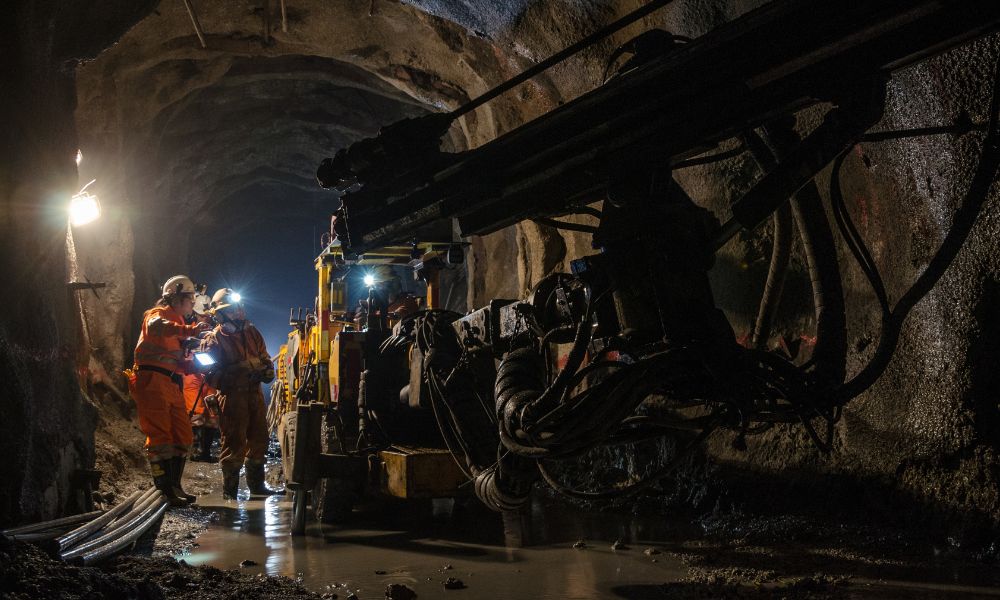
In conclusion, underground mining ventilation system design is the cornerstone of safe and efficient mining operations worldwide. By understanding its importance, mastering technical principles, applying accurate calculations, and learning from practical examples, mining professionals can avoid common pitfalls and implement improvements that save lives and boost productivity.
As the industry evolves with automation and sustainability, innovative ventilation designs will play a pivotal role. Whether in established mining hubs like Australia or emerging ones in Africa, prioritizing this aspect ensures mining remains a viable and responsible endeavor. Stay informed, stay safe, and engineer for excellence.


0 Comments