Posts

Showing posts from May, 2023

Mine Levelling Techniques

Image
Mine Levelling Techniques: Mine surveying plays a crucial role in the mining industry by providing accurate measurements and data that are essential for safe and efficient mining operations. Levels and leveling are important techniques used in mine surveying to determine elevations and create level surfaces within the mine site. Let's delve into levels and leveling in the context of mine surveying. 1. Levels:  Levels are instruments used to measure vertical distances or elevations. They consist of a telescope mounted on a tripod, with a leveling mechanism that allows the instrument to be set up precisely. Some commonly used levels in mine surveying include dumpy levels, automatic levels, and digital levels. 2. Levelling: Levelling is the process of determining the relative heights or elevations of different points on the ground. It involves the use of a level instrument and a leveling staff.  Levelling can be done using two methods:   differential leveling a...

Drilling methods and machines

Image
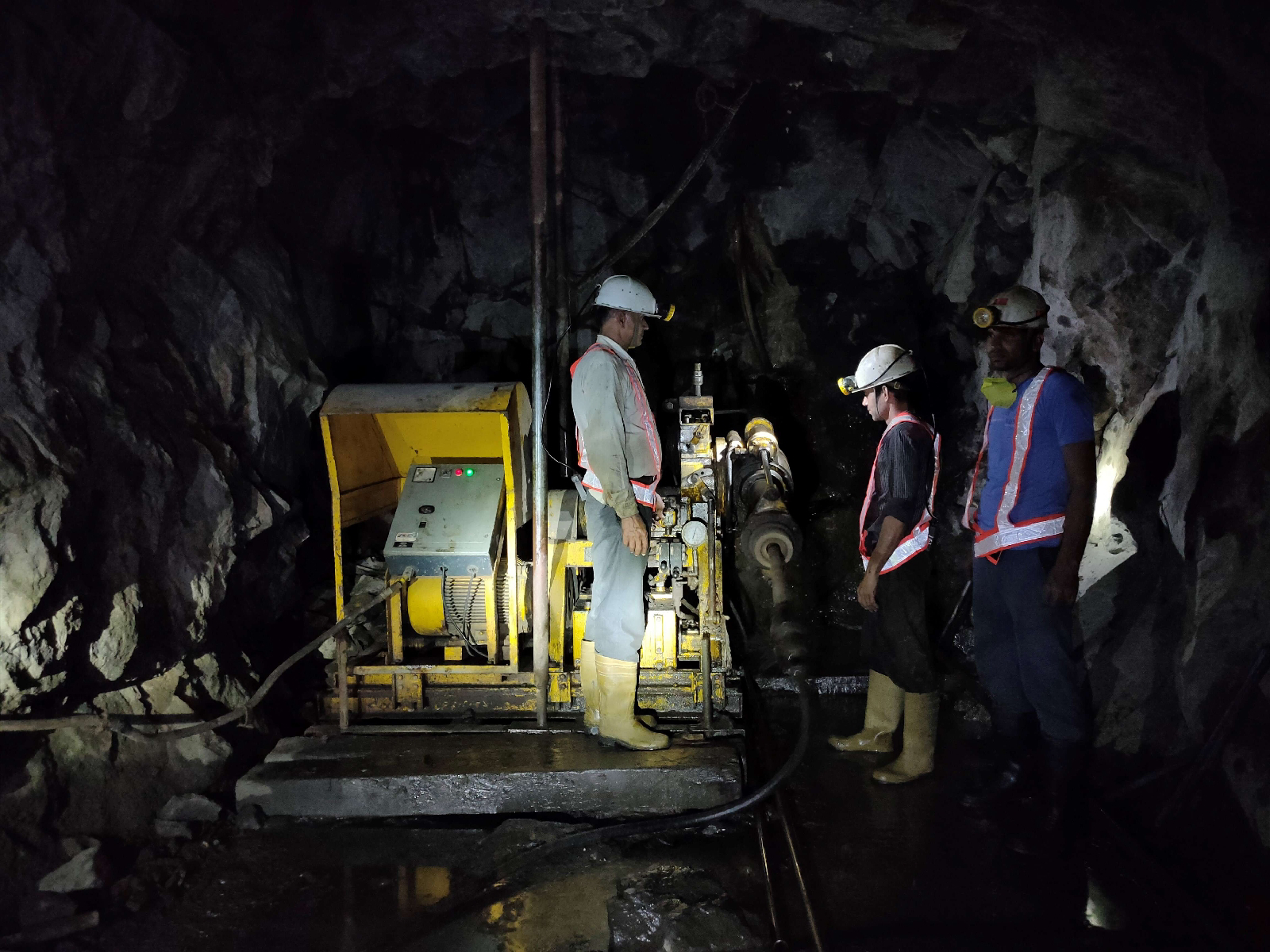
Drilling Methods and machines : There are various methods and machines used in mine drilling, depending on the specific type of mine, the desired depth, and the geological conditions. Here are some commonly used drilling methods and machines in mining: 1. Percussion Drilling: This method involves using a hammer-like mechanism to repeatedly strike the drill bit, causing it to break the rock. It is typically used for shallow and small-diameter holes. 2. Rotary Drilling: In rotary drilling, a rotating drill bit is used to create a hole by grinding away the rock. It is suitable for both shallow and deep drilling and can be used for various hole sizes. 3. Diamond Drilling: Diamond drilling uses a diamond-impregnated drill bit to cut through the rock. It is commonly used for deep drilling in hard rock formations and provides high-quality core samples. 4. Blasthole Drilling: This method is specifically used in open-pit mines for creating blastholes to facilitate the blasting o...

underground drivages

Image
Underground drivages:  Underground drivages typically refer to excavated tunnels or passages created for various purposes, such as mining, transportation, or infrastructure development. These drivages are constructed beneath the surface of the ground and can span long distances. Here are some key points about underground drivages: 1. Mining: Underground drivages are commonly used in mining operations to access mineral deposits deep beneath the earth's surface. Drivages in mines serve as pathways for workers and equipment, as well as for the transportation of extracted materials. 2. Tunneling: Underground drivages are also constructed for the development of tunnels. These tunnels can be used for transportation purposes, such as road or railway tunnels, or for utilities like water supply, sewage, or underground power cables. 3. Construction: During the construction of large infrastructure projects like dams, underground drivages may be created to divert water or prov...

Mines Methods of access to deposits:

Image
Mines Methods of access to deposits: There are several methods of access to mineral deposits in mining operations. The choice of method depends on various factors, including the depth and location of the deposit, the type of mineral being extracted, the geological conditions, and economic considerations.  Here are some common methods of access to mineral deposits: 1. Open Pit Mining: This method is used for shallow, near-surface deposits. An open pit, also known as an open-cast or open-cut mine, is excavated using heavy equipment to remove overburden (rock or soil covering the deposit). Once the overburden is removed, the mineral deposit is extracted from the open pit. 2. Underground Mining: This method is used for deeper deposits where open pit mining is not feasible. Underground mining involves creating tunnels or shafts to access the deposit.  There are different underground mining methods, including: a. Room and Pillar Mining: In this method, a series of room...

Mine Development Overview

Image
Mine Development Overview : Mine development refers to the process of preparing a site for the extraction of valuable minerals or resources from the Earth. It involves various stages, from exploration and planning to construction and production.  Here is an overview of the typical steps involved in mine development: Exploration: The first stage involves conducting geological surveys, mapping, and sampling to identify potential mineral deposits. This phase helps determine the size, grade, and economic viability of the deposit. Feasibility Study: Once a promising deposit is identified, a feasibility study is conducted to assess the technical, economic, and environmental aspects of mining. This study evaluates factors such as mining methods, ore processing techniques, infrastructure requirements, and projected financial returns. Permitting and Environmental Assessment: Before commencing mine development, obtaining necessary permits and conducting environmental assessmen...

Rocks and Their Origins

Image
Rocks and their origins  Rocks are solid, naturally occurring substances composed of minerals or mineral-like materials. They are an essential part of the Earth's crust and have diverse origins.  Here are the three main types of rocks and their respective origins: Igneous Rocks: Igneous rocks are formed from the cooling and solidification of molten rock material known as magma or lava.  There are two types of igneous rocks: a. Intrusive Igneous Rocks: These rocks form when magma cools slowly beneath the Earth's surface. The slow cooling allows for the growth of large mineral crystals, resulting in coarse-grained rocks like granite. b. Extrusive Igneous Rocks: These rocks form when lava erupts onto the Earth's surface and cools quickly. Rapid cooling prevents the growth of large mineral crystals, resulting in fine-grained rocks like basalt. Sedimentary Rocks: Sedimentary rocks are formed by the deposition, compaction, and cementation of sediments. Sediments ar...

mineral basics

Image
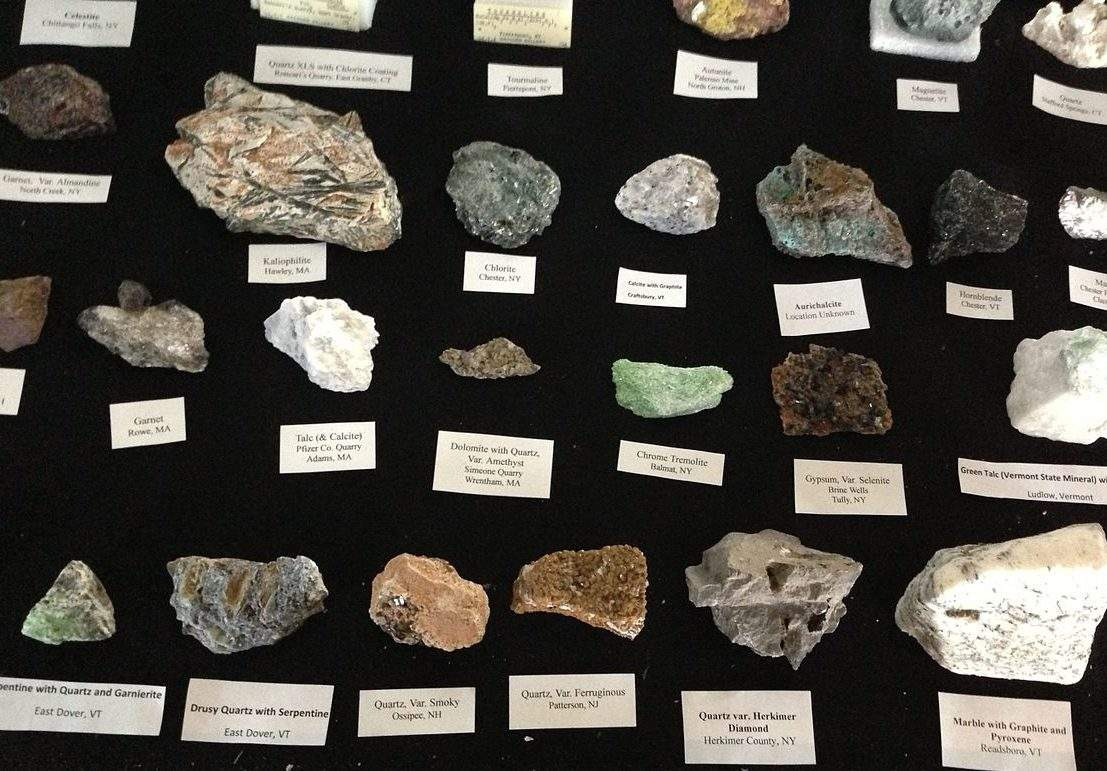
Mineral basics  Minerals are naturally occurring, inorganic substances that have a definite chemical composition and a crystalline structure. They are the building blocks of rocks and play a crucial role in the formation and composition of the Earth's crust. Here are some key points about minerals: 1. Composition: Minerals are composed of various elements combined in specific ratios. These elements can include metals (such as iron, copper, and gold), non-metals (such as sulfur and phosphorus), and metalloids (such as silicon). 2. Crystalline Structure: Minerals have a regular internal arrangement of atoms, forming a crystal lattice structure. This structure gives minerals their characteristic shape and physical properties. 3. Classification: Minerals are classified based on their chemical composition and crystal structure. There are thousands of known minerals, categorized into groups such as silicates, carbonates, sulfides, oxides, and many others. 4. Physical Prope...

Mining geology and there aspects

Image
Mining geology and there aspects  Mining geology is a field of study that focuses on the exploration, assessment, and extraction of mineral resources from the Earth's crust. It involves applying geological principles and techniques to locate and evaluate mineral deposits for economic extraction. Here are some key aspects of mining geology: 1. Exploration: Mining geologists play a crucial role in the initial stages of mineral exploration. They use geological maps, remote sensing, geophysical methods, and geochemical sampling to identify areas with the potential for mineral deposits. They also interpret geological structures and analyze rock formations to understand the distribution and characteristics of mineral resources. 2. Resource Assessment: Once a potential mineral deposit is identified, mining geologists conduct detailed surveys and sampling to determine the size, grade, and economic viability of the deposit. They assess factors such as mineralogy, ore reserves, ore qualit...

Slope Stability, Overburden Management

Image
Slope Stability, Overburden Management Slope stability diagram  Slope stability and overburden management are important considerations in various fields, including geotechnical engineering, mining, construction, and environmental management. Let's discuss each of these topics in more detail: 1. Slope Stability: Slope stability refers to the ability of a slope or an embankment to resist failure or collapse. It is a critical aspect in engineering design, particularly in projects involving excavations, embankments, and natural slopes. Slope failures can result in landslides, rockfalls, or slope movements, which can cause property damage, loss of life, and environmental hazards. Factors Affecting Slope Stability: Geological and geotechnical properties of the soil or rock mass, including strength, permeability, and cohesion. Slope geometry, including slope angle, height, and shape. Surface and subsurface water conditions, such as rainfall, groundwater, and seepage. Climate and weatherin...

Surface Miner and its parts, size and models

Image
  Surface miner  A surface miner is a large mining machine used in open-pit mining operations. It is designed to extract minerals or other valuable materials from the surface of the earth, rather than digging tunnels or underground shafts. Surface miners are commonly used in mining operations for coal, limestone, gypsum, bauxite, phosphate, and other minerals. The main components of a surface miner typically include: 1. Cutting Drum: This is the primary cutting tool of the surface miner. It consists of a cylindrical drum with cutting picks or blades attached to it. The cutting drum rotates and cuts into the rock or mineral deposit. 2. Track System: Surface miners are often mounted on tracks, similar to a bulldozer or excavator. The track system allows the machine to move and operate on various types of terrain. 3. Operator Cabin: The operator cabin is where the machine is controlled and operated. It provides a comfortable and safe environment for the operator to monitor the...

Fire detection and prevention in underground mines

Image
Fire detection and prevention in underground mines ABSTRACT Underground coal mines are more prone to underground fires, this is due to fact that coal itself is a combustible matter. Underground coal fires can be severe that mining operation may have to cease. The severe consequences of underground fires may be coal dust explosion and burning of coal seams. The need for designing, implementing safety measures and systems to prevent and mitigate the impact of underground fires is of utmost importance. Coal mines all over the world are implementing new technologies to prevent, detect, suppress and monitor underground fires. South African coal industry is yet to improve on these technologies. This report elucidates on the causes of underground fires in coal mines, the detection methods, the prevention methods, fire suppression methods, alerting and evacuation during fires, latest technological trends and lastly the need for training on fire awareness. The conclusion will give a brief d...