Posts

Showing posts from June, 2023

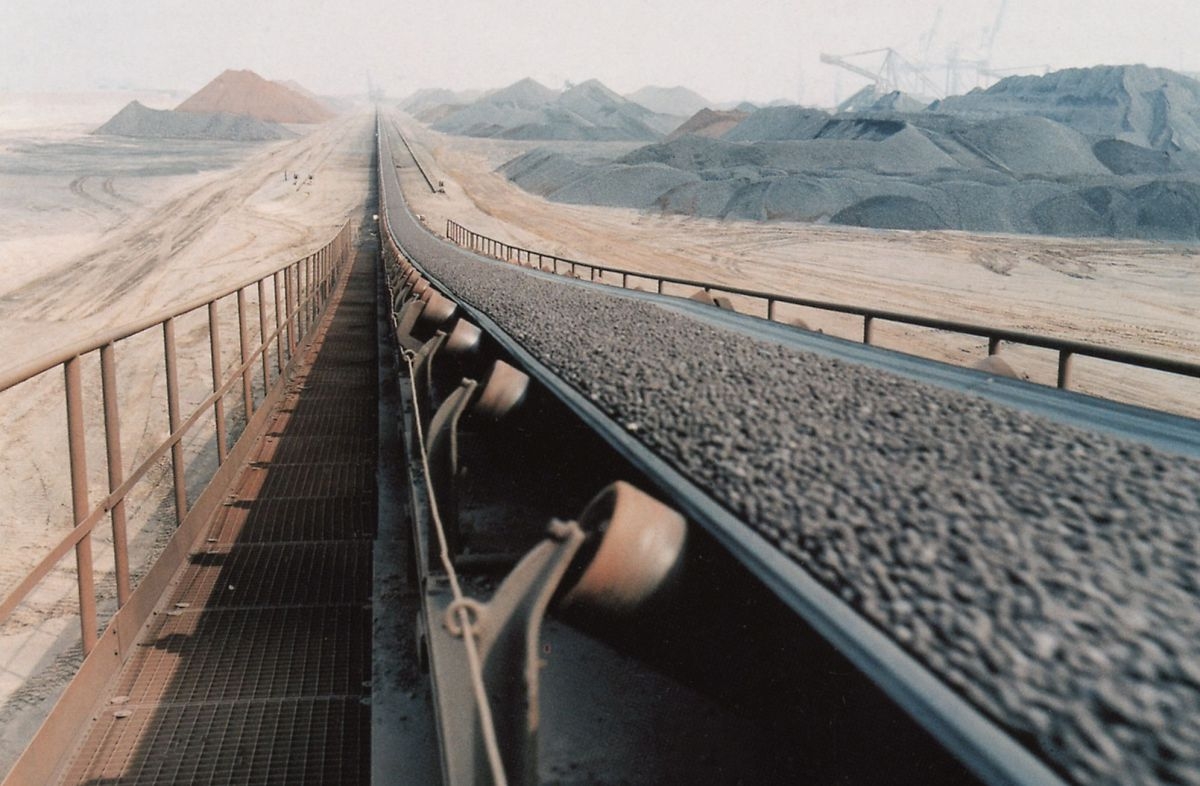
Mining Conveyors Overview
Image
Mining Conveyors Overview:  Conveyors play a crucial role in the mining industry by transporting bulk materials efficiently and safely. They are used to move various types of materials, such as coal, ore, rocks, and aggregates, over long distances, across different terrains, and between different processing stages within a mine site. Here are some key points about conveyors in mining: 1. Types of Conveyors: There are several types of conveyors used in mining operations, including belt conveyors, screw conveyors, vibrating conveyors, and bucket elevators. Belt conveyors are the most common and widely used, consisting of a continuous belt looped around pulleys and supported by idler rollers. 2. Material Handling: Conveyors are used for various material handling tasks in mining, such as loading and unloading trucks, stockpiling materials, feeding crushers or screens, and transferring materials between processing equipment. 3. Efficiency and Productivity: Conveyors impro...
Wire ropes

Image
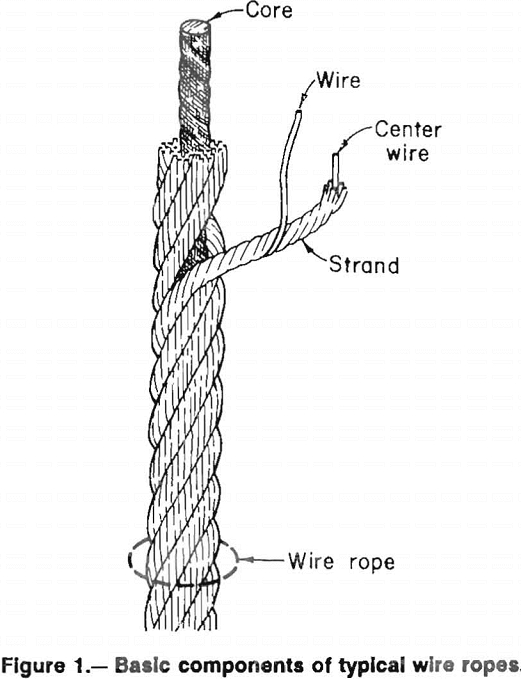
Wire ropes : Wire ropes play a crucial role in mining operations, providing support, lifting, and hauling capabilities.  Here are some important aspects of wire ropes in mining:- 1. Hoisting and Conveying: - Wire ropes are extensively used in mining for hoisting materials and conveying loads. They are commonly employed in mine shafts, elevators, and inclined systems to transport ore, equipment, and personnel. 2. Strength and Durability: - Wire ropes used in mining are designed to withstand high tensile forces and harsh operating conditions. They are typically constructed with multiple strands of wire twisted together to provide strength and flexibility. 3. Load Capacity: - Wire ropes are available in various configurations, including different diameters, constructions, and core types. These factors determine the load capacity and working load limit (WLL) of the rope, ensuring it can handle the required weight and stresses involved in mining operations. 4. Corrosion Resi...

Materials handling

Image
Materials handling: Materials handling in mining refers to the process of moving and transporting materials within a mining operation. It involves the handling, storage, and transportation of various types of materials, such as ore, overburden, equipment, and supplies, to facilitate mining operations efficiently and safely. The goal of materials handling in mining is to ensure the timely and cost-effective movement of materials throughout the mining value chain, from extraction to processing and distribution. Here are some key aspects of materials handling in mining: 1. Extraction: Materials handling begins with the extraction of minerals or ore from the earth. This process may involve the use of heavy machinery, such as excavators, loaders, and haul trucks, to remove the overburden and extract the desired materials. 2. Haulage: Once the materials are extracted, they need to be transported from the mine face or pit to the processing plant or stockpile areas. This is typical...

Hydraulic & Pneumatic Power

Image
Hydraulic & Pneumatic Power: Hydraulic and pneumatic power are both forms of fluid power that utilize the properties of liquids and gases, respectively, to transmit and control power. They are commonly used in various industries and applications for operating machinery, equipment, and systems. Hydraulic Power: Hydraulic power systems use the force generated by the pressure of a liquid, usually oil or water, to transmit and control power. Key components of a hydraulic system include a hydraulic fluid, a pump to generate pressure, valves to control the flow of fluid, actuators (such as hydraulic cylinders or hydraulic motors) to convert the fluid pressure into mechanical force or motion, and various pipes, hoses, and fittings for fluid transmission. Hydraulic power is often preferred in applications that require high force and precise control, such as heavy machinery, construction equipment, and vehicle braking systems. Pneumatic Power: Pneumatic power systems, on the oth...

Mechanical power generation and transportation

Image
Mechanical power generation and transportation:  Generation and transmission of mechanical power refer to the processes involved in creating and transferring mechanical energy from one location to another. Mechanical power is the rate at which work is done or energy is transferred in mechanical systems. Generation of Mechanical Power: 1. Conversion of Fuel to Mechanical Energy: In many cases, mechanical power is generated by converting the chemical energy stored in fuels into mechanical energy. This is commonly achieved through processes such as combustion in internal combustion engines or burning fuel to produce steam in thermal power plants. 2. Conversion of Potential Energy to Mechanical Energy: Mechanical power can also be generated by converting potential energy into mechanical energy. For example, in hydroelectric power plants, the gravitational potential energy of water stored in reservoirs is converted into mechanical energy as the water falls and turns a turbin...

Transporting and mechanization

Image
Transporting and mechanization : Transporting and mechanization play crucial roles in the mining industry, enabling efficient extraction of minerals and improving overall productivity. Let's explore these aspects in more detail: 1. Transporting:    - Haulage Systems: Mining operations involve moving large quantities of materials such as ore, overburden, and waste. Haulage systems are used to transport these materials from the mining site to the processing plant or waste disposal areas. Common haulage systems include trucks, conveyor belts, and railroads.    - Trucks: Heavy-duty trucks are commonly employed in open-pit or surface mining operations. They have large capacities and can transport materials over long distances on rugged terrain. Off-highway haul trucks are specifically designed for mining applications.    - Conveyor Systems: Conveyor belts are extensively used in mining operations to transport bulk materials efficiently. They can carr...

Ore Handling Systems Overview

Image
Ore Handling Systems Overview: Ore handling systems are crucial components in mining and mineral processing operations. These systems are designed to efficiently transport, store, and process large quantities of ore from the mining site to the processing plant or storage facility. The specific design and components of an ore handling system can vary depending on the type of ore, the mining method, and the desired processing techniques. However, I can provide a general overview of common components and processes involved in ore handling systems: 1. Mining and Extraction: The first step in ore handling is the extraction of ore from the ground. This can be done through various mining methods, such as open-pit mining, underground mining, or placer mining. The extracted ore is typically transported to the surface using trucks, conveyors, or rail systems. 2. Crushing and Screening: In many cases, the mined ore needs to be crushed and screened to prepare it for further processing....

Mechanization Implications in Mining

Image
Mechanization Implications in Mining: The decision to stop mechanization in mining would have significant implications for the industry. Mechanization has been a crucial development in mining, as it has increased productivity, efficiency, and safety while reducing the reliance on manual labor. However, if there were reasons or a desire to halt mechanization in mining, here are some potential impacts and considerations: 1. Labor-intensive operations: Without mechanization, mining operations would rely more heavily on manual labor. This could create more job opportunities for miners, but it may also require extensive training and pose increased risks to worker safety. 2. Reduced productivity: Mechanization has significantly increased the speed and efficiency of mining operations. Removing mechanization could lead to a decline in productivity, as manual processes are generally slower and less efficient. 3. Safety concerns: Mechanization has improved safety in mining by reducin...

Mining Methods: Supported & Caved

Image
Mining Methods: Supported & Caved: Supported and caved stoping methods are mining techniques used for underground mining operations. These methods involve the extraction of ore from a vertical or steeply inclined deposit. Here are the explanations of both methods: 1. Supported Stoping: Supported stoping is a mining method where the surrounding rock or backfill material is used to support the walls and roof of the stope, which is the underground excavation where ore is extracted. The key features of supported stoping include: a. Cut-and-fill stoping: This method involves extracting the ore in horizontal slices or lifts. After each lift is extracted, the void is backfilled with waste rock, tailings, or other fill material to provide support. This process is repeated until the entire orebody is mined. b. Square-set stoping: In this method, the stope is divided into a grid pattern using square-set timbering. The ore is then extracted from each square-set panel, and the void...

underground coal mining

Image
Underground coal mining : Underground coal mining refers to the extraction of coal from underground mines through various methods. It involves accessing coal deposits below the Earth's surface and bringing the coal to the surface for further processing and use. Here are some key points about underground coal mining: 1. Accessing coal deposits: Underground coal mining begins with the sinking of vertical or inclined shafts or the construction of tunnels to access the coal seams. These openings allow miners and equipment to enter and exit the mine. 2. Mining methods: Several mining methods can be employed in underground coal mining, depending on factors such as the depth of the coal seam and the geology of the area. The most common methods include:    a. Room and pillar mining: This method involves the creation of "rooms" or chambers separated by "pillars" of coal that support the roof. Miners extract coal from the rooms, leaving the pillars in place f...

Continuous surface mining systems

Image
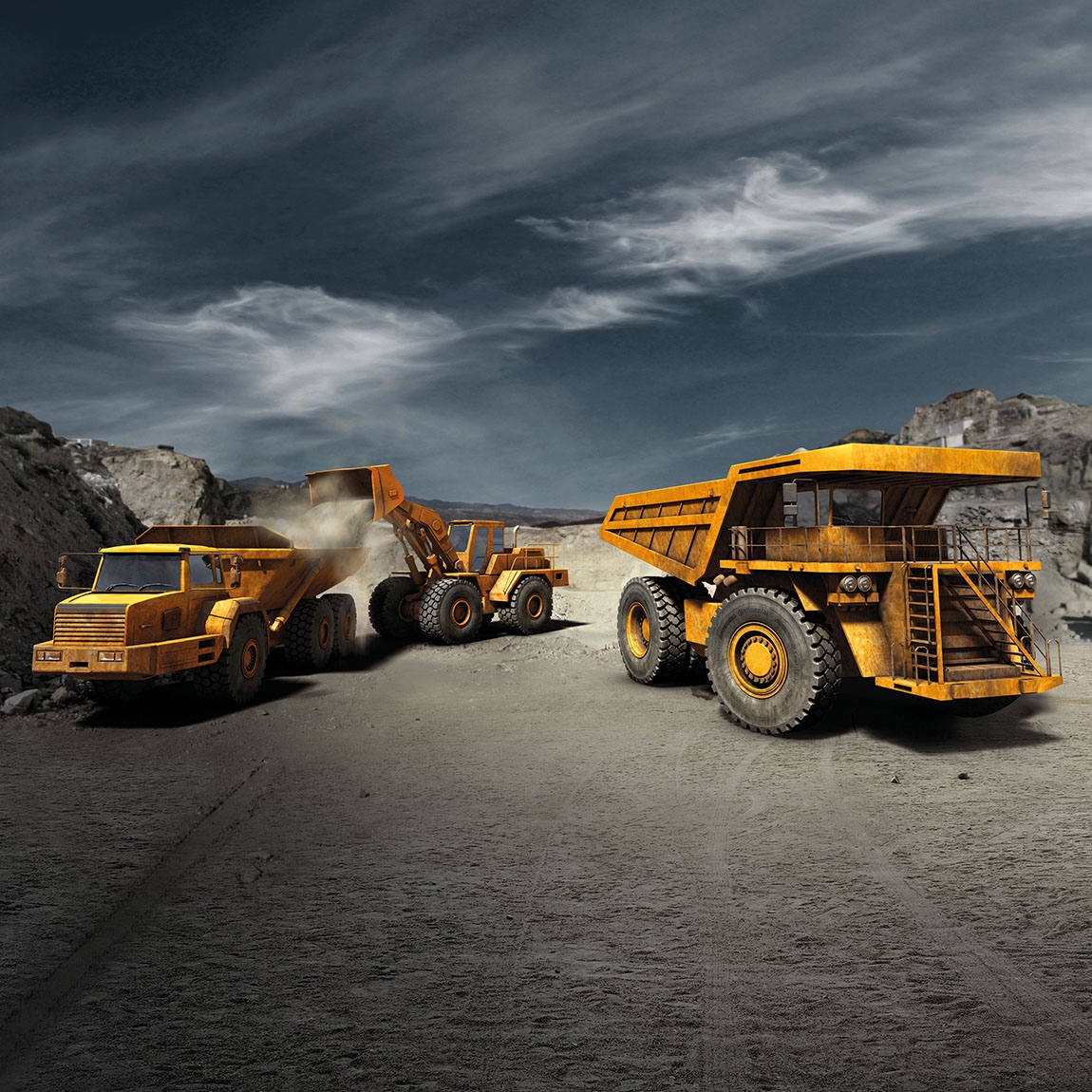
Continuous surface mining systems: Continuous surface mining systems are a type of mining method used to extract mineral resources from the Earth's surface. Unlike traditional mining methods that involve drilling and blasting, continuous surface mining systems involve the continuous removal of material from the ground using large equipment. There are several types of continuous surface mining systems, each with its specific equipment and techniques. Here are some commonly used systems: 1. Open-Pit Mining: Open-pit mining is a widely used continuous surface mining method. It involves the excavation of a large open pit or quarry using heavy equipment such as excavators, draglines, or bucket-wheel excavators. The material, such as coal, ore, or rock, is removed from the pit in successive layers or benches. 2. Strip Mining: Strip mining is another form of continuous surface mining used primarily for extracting coal and lignite deposits. It involves the removal of layers of ...

Surface Mining Overview

Image
Surface Mining Overview:  Surface mining is a type of mining method used to extract minerals or other geological materials that are located near the surface of the Earth. It involves the removal of overlying rock or soil (known as overburden) to access the desired mineral deposits or resources. There are several techniques employed in surface mining, depending on the nature of the deposit and the type of resource being extracted. Here are a few common methods: 1. Open-pit mining: This method is used when the desired mineral or resource is found in a wide and shallow deposit. It involves the excavation of a large open pit or quarry, using heavy equipment such as excavators, haul trucks, and bulldozers. The overburden is removed, and the mineral or resource is extracted from the exposed ore body. 2. Strip mining: This technique is used for extracting resources that are relatively close to the surface but are spread over a wide area. It involves the removal of a series of ...

Mining Techniques

Image
Mining techniques: Mining methods refer to the various techniques used to extract valuable minerals or other geological materials from the Earth's crust. The choice of mining method depends on several factors, including the type of deposit, depth of the deposit, and the economic viability of the operation. Here are some commonly used mining methods: 1. Open-pit mining: This method involves the excavation of large open pits or quarries to extract minerals near the surface. It is suitable for deposits that are close to the surface and extend over a large area. Open-pit mining is often used for minerals such as copper, gold, iron, and coal. 2. Underground mining: In this method, tunnels or shafts are created to access the mineral deposits underground. There are several techniques within underground mining:    - Room and pillar mining: This method involves leaving "rooms" or open spaces while pillars of the mineral deposit support the roof. It is commonly used for...

Strata Control and Monitoring Plan

Image
Strata Control and Monitoring Plan: A Strata Control and Monitoring Plan, also known as a Ground Control Plan or Rock Support Plan, is a document that outlines the measures and procedures for managing and monitoring ground conditions in mining, tunnelling, or underground construction projects. The primary objective of the plan is to ensure the safety of personnel and equipment by controlling and mitigating the risks associated with ground instability. The following are some key elements typically included in a Strata Control and Monitoring Plan: 1. Site Description: This section provides an overview of the project site, including geological information, ground conditions, and any known hazards or risks associated with the strata. 2. Objectives: The plan should clearly state the objectives of strata control and monitoring, which typically include ensuring worker safety, minimizing ground movement, preventing rockfalls or collapses, and maintaining the stability of the excava...

Roof Supporting System

Image
Roof supporting systems: In mining operations, roof supporting systems play a crucial role in ensuring the safety and stability of underground excavations. These systems are designed to prevent the collapse or failure of the roof and protect miners from potential hazards. Here are some common roof supporting systems used in mining: 1. Roof Bolting:- This method involves drilling holes into the roof strata and inserting long bolts or rods, typically made of steel, into the holes. The bolts are then secured with grout or resin. Roof bolting provides immediate support to the roof, creating a stable structure. 2. Roof Mesh and Straps: - Mesh sheets made of wire or synthetic materials, such as fiberglass, are used to reinforce the roof. The mesh is installed by attaching it to the roof using straps or bolts. It provides additional support by distributing the load and preventing loose rocks from falling. 3. Roof Trusses and Beams: - In larger underground excavations, roof trusses...

design of pillars

Image
Design of pillars:  The design of pillars in mining plays a crucial role in ensuring the stability and safety of underground excavations. Pillars are used to support the overlying rock and prevent collapse or subsidence. The design of pillars takes into account several factors, including the geotechnical properties of the rock mass, the size and shape of the excavation, and the mining method being employed. Here are some key considerations in the design of pillars: 1. Geotechnical Assessment: A thorough understanding of the geological and geotechnical properties of the rock mass is essential. This involves assessing the strength, deformation characteristics, and stress distribution in the surrounding rock. 2. Rock Mass Classification: The rock mass is classified based on various parameters such as rock type, quality, and discontinuities (such as joints, faults, or bedding planes). This classification helps determine the appropriate pillar design method. 3. Stability Ana...

Ground Control support

Image
Ground Control Support : Ground control typically refers to the team of individuals who monitor and manage the operations of a spacecraft or aircraft from a centralized location on the ground. These professionals are responsible for providing guidance, support, and coordination to the crew onboard the spacecraft or aircraft. In the context of space exploration, ground control is commonly associated with space missions. Space agencies, such as NASA or SpaceX, have dedicated control centers where highly trained engineers and scientists oversee the operations of their spacecraft. These control centers are equipped with sophisticated systems that allow ground control personnel to communicate with astronauts or cosmonauts, monitor the spacecraft's systems, and make decisions regarding mission objectives and procedures. Ground control personnel are responsible for a wide range of tasks, including: 1. Monitoring: They keep a close eye on the spacecraft's health, including ...

Subsidence

Image
Subsidence:  Geomechanics is a branch of geophysics and geotechnical engineering that focuses on the study of the mechanical behavior of rocks and soils. It combines principles from geology, physics, and engineering to understand how geological materials respond to external forces such as stress, temperature, and fluid pressure. Subsidence, in the context of geomechanics, refers to the gradual sinking or settling of the Earth's surface. It is often associated with the extraction of underground resources, such as oil, gas, or minerals, as well as with certain geological processes and human activities. There are several causes of subsidence: 1. Natural Subsidence: Natural processes, such as the compaction of sedimentary layers, dissolution of underground minerals (e.g., limestone), and erosion, can lead to subsidence over long periods of time. 2. Mining Subsidence: The extraction of underground resources, such as coal or minerals, can create voids in the subsurface. Over ...

Stress distribution around mines Openings

Image
Stress distribution around mines Openings:  The distribution of stress around mine openings depends on several factors, including the geological conditions, the type of mine opening, and the mining method used. Here are some general concepts related to stress distribution around mine openings: 1. Stress Concentration: Mine openings, such as tunnels, shafts, or adits, create disruptions in the surrounding rock mass. These disruptions can lead to stress concentration at the edges of the openings. The stress concentration is typically highest near the corners and decreases with distance from the opening. 2. Stress Redistribution: When a mine opening is excavated, the stress in the surrounding rock mass redistributes to achieve a new equilibrium. Initially, the stress redistribution occurs rapidly, resulting in high stresses around the opening. Over time, the stresses gradually adjust and reach a more stable state. 3. Stress Gradients: The stress distribution around mine op...

Ground vibrations

Image
Ground vibrations: Ground vibrations in mining refer to the seismic waves or vibrations that occur due to mining activities. These vibrations can be generated by various mining operations such as blasting, drilling, excavation, and the operation of heavy machinery.  Here are some key points about ground vibrations in mining: 1. Causes of Ground Vibrations: Blasting is one of the primary causes of ground vibrations in mining. When explosives are used to break up rocks, the resulting shock waves travel through the ground, causing vibrations. Other activities like drilling, excavation, and the movement of heavy machinery can also generate ground vibrations, although they are typically of lower magnitude compared to blasting. 2. Magnitude and Frequency: The magnitude of ground vibrations depends on several factors, including the type and amount of explosive used, distance from the blast site, geological conditions, and the size of the mining operation. Ground vibrations are...

rock failure theories

Image
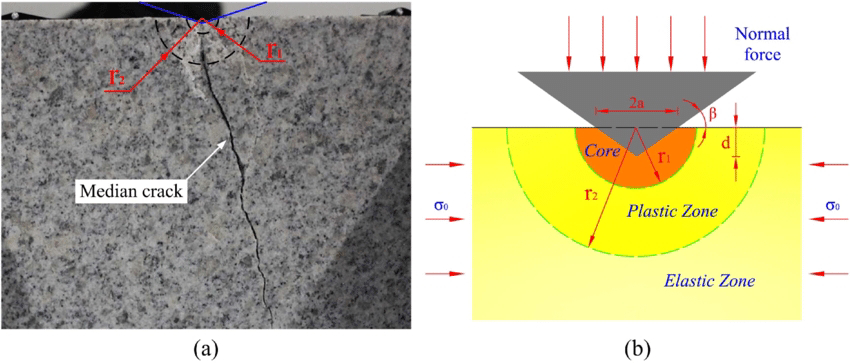
Rock failure theories:  Rock failure can occur due to various factors and can be explained by several theories. Here are some of the commonly accepted theories of rock failure: 1. Mohr-Coulomb Theory: This theory is widely used to understand the failure of rocks under different stress conditions. It is based on the concept of shear strength and assumes that failure occurs when the shear stress exceeds the shear strength of the rock material. The Mohr-Coulomb theory considers the cohesive strength and frictional strength of rocks in determining failure. 2. Griffith Theory: This theory, also known as the linear elastic fracture mechanics theory, focuses on the failure of rocks due to the presence of pre-existing cracks or flaws. It suggests that failure occurs when the stress intensity factor at the tip of a crack exceeds a critical value. The theory considers the elastic properties of the rock material and the size and shape of the crack. 3. Hoek-Brown Failure Criterion: Developed b...

Stress measurement techniques

Image
Stress measurement techniques:  Instrumentation and in-situ stress measurement techniques are used in various fields, including geotechnical engineering, rock mechanics, and petroleum engineering, to understand the stress conditions in the subsurface. These measurements are essential for designing and analyzing the stability of structures, such as tunnels, dams, and oil wells. Here are some commonly used techniques: 1. Conventional Borehole Overcoring: In this method, a cylindrical core sample is extracted from the subsurface using a drilling rig. The core is then analyzed in a laboratory to determine the stress state by measuring the deformation characteristics of the core. The measurement is based on the assumption that the core retains the in-situ stress state at the time of extraction. 2. Hydraulic Fracturing: This technique involves the creation of controlled fractures in the rock formation using pressurized fluid injection. By monitoring the pressure required to i...

Rock mass classification

Image
Rock mass classification: Rock mass classification is a systematic approach used to evaluate the engineering behavior and stability of rock masses. It involves the categorization of rocks based on various parameters such as rock strength, joint orientation, joint spacing, rock quality, and other geotechnical properties. The classification systems help engineers and geologists in understanding the characteristics of rock masses and selecting appropriate design and support measures for engineering projects such as tunnels, slopes, and foundations. There are several rock mass classification systems commonly used in practice. Here are a few examples: 1. Rock Mass Rating (RMR):-  Developed by Bieniawski, RMR is one of the most widely used classification systems. It considers six parameters: uniaxial compressive strength of intact rock, rock quality designation (RQD), joint spacing, joint condition, groundwater conditions, and orientation of discontinuities. The RMR values ra...

Geotechnical properties of rocks

Image
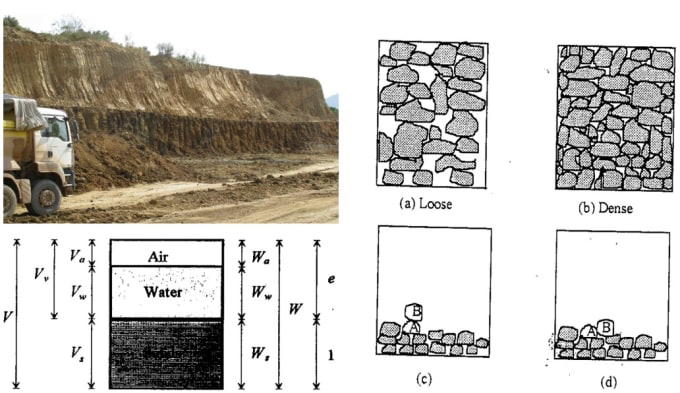
Geotechnical properties of rocks: Geotechnical properties of rocks refer to the physical and mechanical characteristics of rocks that are relevant to engineering and construction applications. These properties are essential for assessing the stability and behavior of rock masses when subjected to various forces and loads. Some important geotechnical properties of rocks include: 1. Strength: The strength of a rock refers to its ability to withstand applied forces without deformation or failure. It is typically characterized by parameters such as compressive strength, tensile strength, and shear strength. 2. Density: Density is a measure of the mass per unit volume of a rock. It influences the stability of rock slopes and the design of foundations. 3. Porosity: Porosity describes the void spaces or openings within a rock. It affects the rock's permeability, which is crucial for the flow of fluids (such as water or oil) through the rock mass. 4. Permeability: Permeability ...

Errors and adjustments

Image
Errors and adjustments:  In mine surveying, errors can occur due to various factors such as instrument inaccuracies, human errors, environmental conditions, and the complexity of underground mining environments. These errors can lead to incorrect measurements and subsequently impact the overall accuracy of surveying data. Adjustments are made to correct these errors and ensure reliable and precise surveying results. Here are some common errors and adjustments in mine surveying: 1. Instrument Errors: Surveying instruments like theodolites, total stations, and levels can have inherent errors in their measurements. Calibration and regular maintenance of these instruments are necessary to minimize such errors. Adjustment is made by applying correction factors based on calibration data to compensate for instrument errors. 2. Atmospheric Conditions: Changes in atmospheric conditions such as temperature, humidity, and pressure can affect the accuracy of distance measurements. ...

EDM

Image
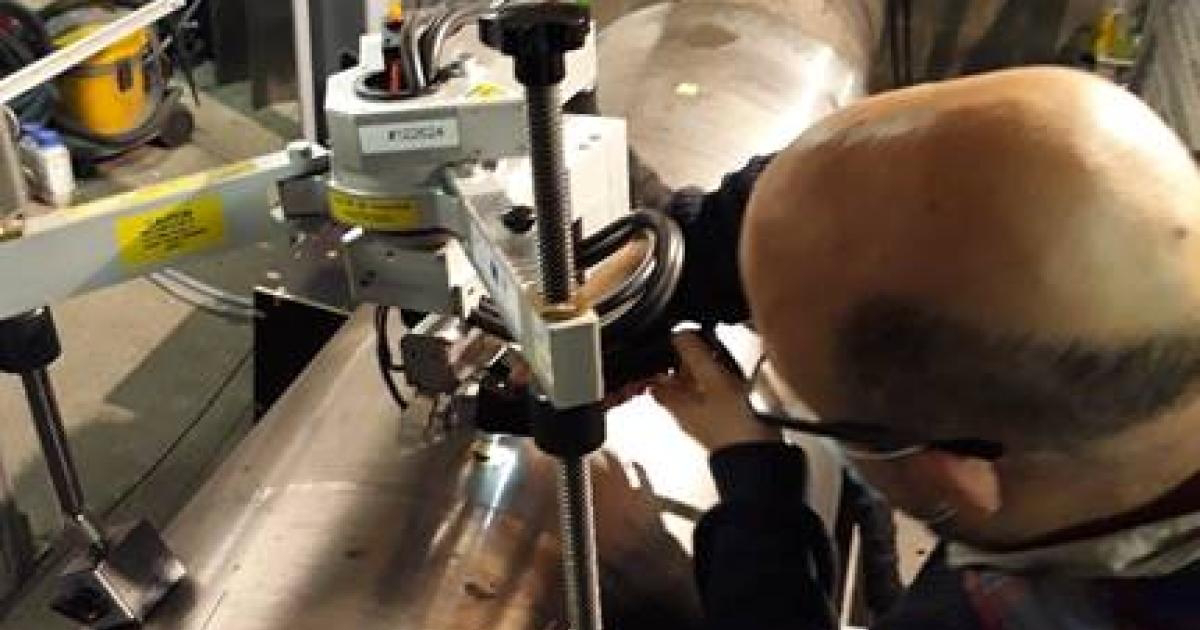
EDM: EDM, or Electronic Distance Measurement, is a technique used in surveying to measure distances between points using electromagnetic waves. It is commonly employed in various fields, including mine surveying. In mine surveying, EDM plays a crucial role in accurately determining distances and creating detailed maps of underground mines. Here are some key points about the application of EDM in mine surveying: 1. Distance Measurement: EDM instruments use electromagnetic waves, typically in the form of laser beams or infrared signals, to measure distances between two points. These instruments provide highly accurate measurements, allowing mine surveyors to determine the precise distances within a mine. 2. Mapping and Layout: Mine surveyors use EDM to create detailed maps and layouts of underground mines. By measuring distances between various points within the mine, they can accurately represent the mine's infrastructure, including tunnels, shafts, chambers, and other...

GPS

Image
GPS : GPS stands for Global Positioning System. It is a satellite-based navigation system that provides location and time information anywhere on or near the Earth's surface. The GPS system consists of a network of satellites in orbit around the Earth, ground-based control stations, and GPS receivers that can be found in various devices such as smartphones, car navigation systems, and handheld GPS units. The GPS system works by using trilateration, which is the process of determining the position of an object by measuring the distances to known points. The GPS satellites transmit signals that are received by GPS receivers on the ground. By measuring the time it takes for the signals to travel from the satellites to the receiver, the GPS receiver can calculate the distance to each satellite. With signals from multiple satellites, the GPS receiver can then determine its precise location by intersecting the distances from the satellites. GPS technology has numerous appli...